
Best Dental Chews for Dogs: How to Choose the Right One
Not every dental chew works the same way, and picking the wrong one can mean wasted money and a dog who still has plaque buildup. "Dental chew" actually covers two different product types, dental chew treats and dental chew toys, and the best one for your dog combines the right texture, size, and ingredients to support their teeth between brushings. Here's what to look for before you buy.
What Dental Chews Do for Your Dog's Teeth
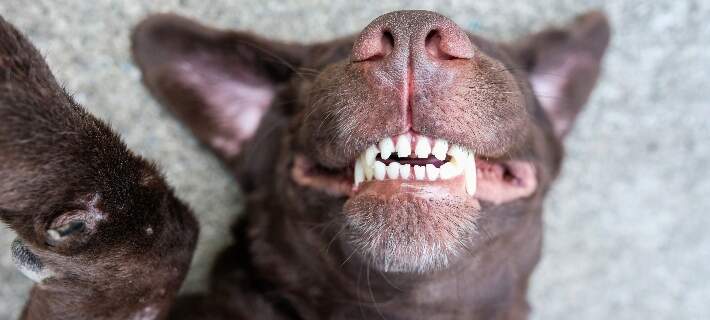
A dental chew works mechanically. As your dog gnaws, the chew's texture scrapes against the tooth surface and helps loosen plaque before it hardens into tartar. Some dental chews also include ingredients designed to help freshen breath along the way.
This matters more than most pet parents realize. Periodontal disease is one of the most common health issues veterinarians see in dogs, and it often starts well before a dog shows any obvious signs of discomfort. Choosing a chew that's been reviewed for real dental benefit, rather than one that's dental in name only, is one of the most useful things you can do for your dog's long-term oral health.
Dental chews are not a substitute for veterinary checkups, and they work best as one part of a broader routine that includes regular brushing and professional cleanings when your vet recommends them.
What to Look For When Choosing a Dental Chew
A handful of factors, the same ones veterinary guidance on choosing chews generally points back to, separate a dental chew that actually helps from one that's dental in name only:
- Texture: Raised ridges, nubs, or grooves create more surface contact with the tooth, which helps loosen plaque as your dog chews.
- Chew time: For dental chew toys, look for one designed to hold your dog's interest well beyond a few bites, since a longer chewing session means more time working on the teeth.
- Size match: A chew that's too small for your dog can be swallowed too quickly to do its job, and can also present a choking risk.
- Ingredients: For dental chew treats, check for simple, recognizable ingredients, and skip anything with fillers your dog doesn't need.
- Vet-recommended formulas: Vet recommended dog dental chews give pet parents an added layer of confidence that the product has been reviewed with dental benefit in mind.
Edible or Non-Edible: Which Dental Chew Is Right for Your Dog?
Neither type is universally better, and the right pick depends on your dog's own chewing habits. Dental chew treats work through repeated chewing and are given as part of a daily routine. They're a good fit if your dog isn't a long chewer, since they're designed to be finished rather than gnawed on for a long stretch. Dental chew toys, like textured nylon or rubber options, last much longer and support dental health through ongoing gnawing, which suits a dog who enjoys a longer chewing session.
Some pet parents rotate both into their dog's routine, giving a treat on some days and a toy on others, for dental care that covers more ground.
Multi-Textured Chews and How They Help Scrape Plaque
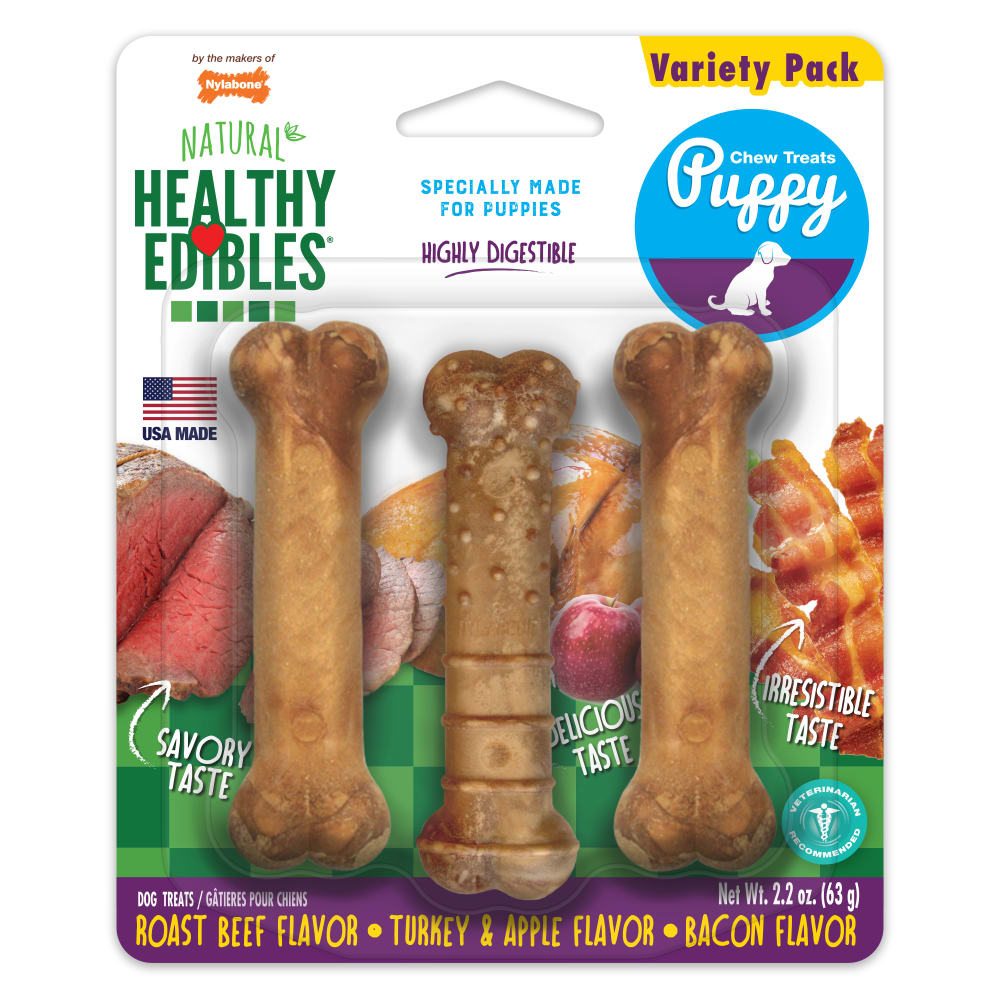
Chews with varied textures, ridges in one section, nubs in another, tend to reach more tooth surfaces than a single smooth shape. As your dog rotates the chew in their mouth, different textures contact the gumline and back teeth, areas that are easy to miss with a quick brushing.
Raised ridges tend to catch the front teeth, while deeper grooves or nubs work against the molars further back in the mouth. Dogs also tend to chew unevenly, favoring one side or working a chew at an angle, so a shape with texture running in multiple directions gives more of the mouth a chance at contact over the course of a chewing session.
This is especially useful for dogs who don't tolerate a toothbrush well. A multi-textured chew won't replace brushing entirely, but it can give those teeth some additional attention, which matters most for dogs whose pet parents are still working up to a full brushing routine.
Matching Dental Chews to Life Stage and Size
Your dog's age and size both affect which dental chew makes sense.
|
Dog Type |
What to Look For |
|
Puppies |
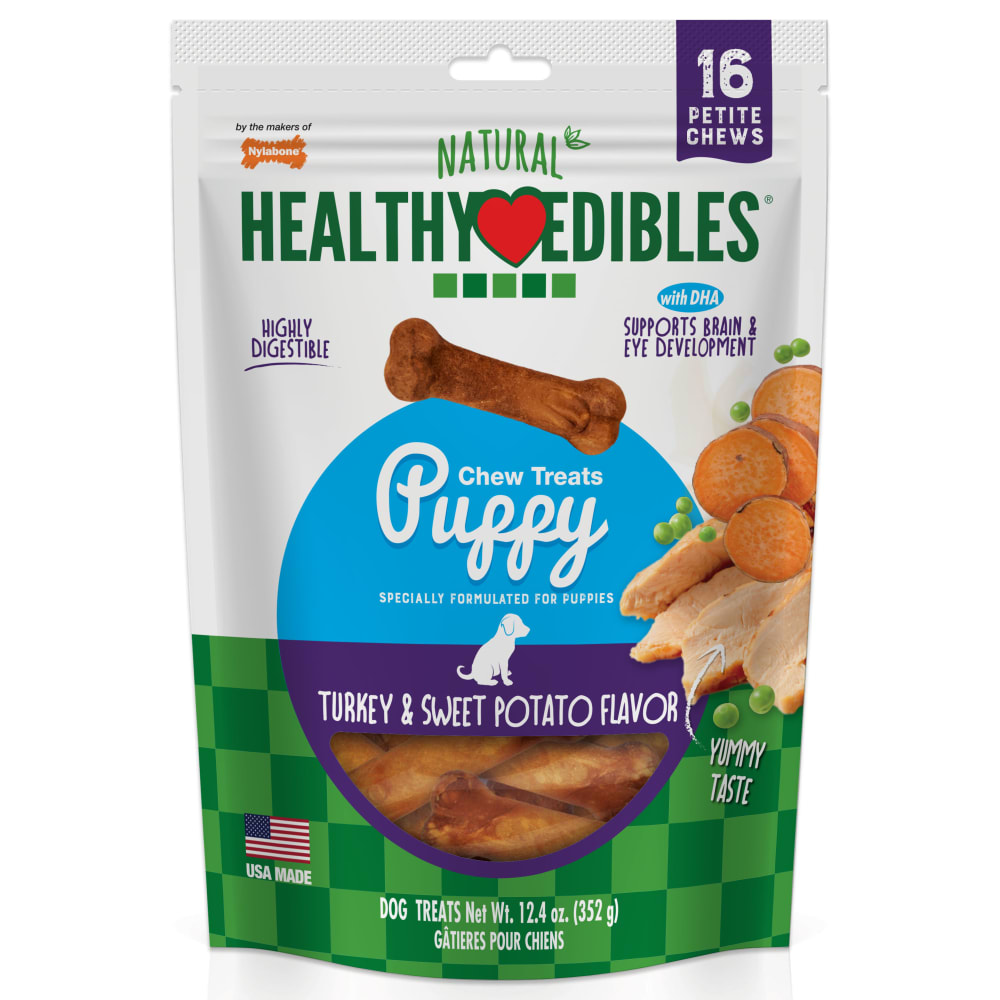
Teething puppies have teeth and gums that aren't as strong yet, so look for dental chews specifically designed for puppy teething needs rather than handing down an adult dog's chew. |
|
Small dogs |
Smaller mouths need a smaller chew, both for comfort and to make sure the chew's texture actually reaches their teeth. |
|
Large dogs |
Bigger dogs need a dental chew substantial enough to last through a real chewing session, not one so small it disappears in a few bites. |
|
Senior dogs |
Older dogs may have more sensitive teeth and gums, so a softer edible dental chew is often a better fit than a firm, dense one. |
Nylabone sizes its dental chew toys by dog size, so pet parents can match the toy to their dog rather than guessing. This matters because chew strength isn't only about jaw power. A large dog with a gentle chewing style may do fine with a moderate chew toy, while a smaller dog who chews with intensity may need something sturdier than their weight alone would suggest. Watching how your own dog chews, not just checking a size chart, is the best way to land on the right fit.
Dental chew treats work a little differently. Alongside choosing the right size for your dog, treat packaging also spells out how many to give per day based on your dog's weight, since portion matters for treats in a way it doesn't for a toy your dog gnaws on over time.
Building a Dental Routine That Actually Works
Consistency matters more than any single product. Working a dental chew into your dog's daily routine, alongside regular brushing when your dog will tolerate it, is where you'll see the best results for long-term dental health.
Always supervise your dog with any new chew, as the ASPCA recommends, size it appropriately, and replace worn or damaged chews rather than letting your dog finish them off in pieces.
FAQs on Dental Chews for Dogs
What are dental chews and how do they work? Dental chews, whether a chew treat or a chew toy, work mechanically, using texture and chew time to help scrape plaque off teeth as your dog gnaws. Some treats also include ingredients that help freshen breath. They support dental health but don't replace regular veterinary care.
What should I look for when choosing a dental chew? Look for a size that matches your dog and a texture designed to reach the gumline, whether you're choosing a dental chew toy or a dental chew treat. Formulas reviewed specifically for plaque or tartar control give you added confidence in the pick.
Are edible or non-edible dental chews better? Neither is universally better. Dental chew treats suit dogs who aren't long chewers, while dental chew toys suit dogs who enjoy a longer gnawing session.
Are dental chews safe for puppies? Puppies need chews sized and textured for teeth and gums that aren't as strong yet. Choose a chew designed for teething puppies rather than an adult formula.
What dental chews work best for senior dogs? Senior dogs often do better with softer edible dental chews, since aging teeth and gums can be more sensitive to firm, dense textures.
Can dental chews replace brushing? No. Dental chews support a dental routine, but brushing reaches areas a chew can't, and your vet may still recommend regular brushing and cleanings.
How often can I give my dog a dental chew treat? Most dental chew treats are designed to be given daily as part of a routine, but always follow the feeding guidance on the product's packaging for your dog's size.
When should I avoid giving my dog a dental chew treat? Skip a dental chew treat if it's too hard for your dog's current teeth, too small for their size, or if your dog tends to swallow large pieces rather than chewing them down. Supervise every chew session and replace worn chew toys.
FOLLOW US!


