

How to Stop a Dog from Chewing Everything in Sight
When you have a dog who loves to chew, they will get their mouths on just about anything they can find around the house. And if you're like most pet parents, you're probably seeking a quick fix to stop your dog from chewing.
However, dogs are chewers by nature! Chewing is an instinctive behavior and one of the primary ways dogs explore and interact with the world. But chewing isn’t always about curiosity—dogs may also chew in response to emotional triggers like boredom, stress, or anxiety.
Before you can successfully redirect your furry friend’s behavior and put a stop to inappropriate dog chewing, it’s important to understand why dogs chew in the first place.
Top Reasons Why Dogs Chew:
- Natural Instincts
- Curiosity
- Boredom
- Loneliness
- Nervousness or Separation Anxiety
- Teething Pain
- Hunger
- Excess Energy or Zoomies
Before You Start: Understand Why Your Dog is Chewing
Chewing is an instinctive urge for dogs, and it has many benefits! In addition to helping keep their teeth clean, chewing also helps furry friends manage all sorts of emotions and release energy.
If your dog has been chewing everything in sight, think about what they’ve been experiencing recently and compare it to the list above. For instance, maybe you have a new puppy who is grappling with puppy teething discomfort or your recently-adopted dog is feeling stressed as they accustom themselves to their new home. Often, the cause of chewing becomes clearer when you look at their daily routine, environment, and recent changes.
Once you understand your dog’s triggers, you can take steps to ease their stress and redirect their chewing in a positive way. Read these tips on how to stop a dog from chewing everything in sight.
Tip #1: Offer Mental and Physical Stimulation
If you suspect your dog is bored, increasing their exercise and incorporating mentally stimulating activities can go a long way toward reducing destructive chewing. Challenging your dog’s body and mind helps them release excess energy, stay occupied, and feel more fulfilled throughout the day.
There are several ways to provide your best friend some healthy, fun mental stimulation. Training your dog to do cool tricks challenges their mind and obedience skills—plus, tricks are fun to show off to family and friends! You can also offer your pooch a puzzle toy to inspire them to think.
Simple ways to physically exercise your dog include daily walks and games such as fetch or tug-of-war with dog play toys. If possible, consider exercising with your furry friend before you leave them alone at home. Helping them burn off extra energy and spending some time bonding with them can make your dog more likely to relax while you’re away, rather than find something inappropriate to chew while no one's watching.
🐶 Related→ Understanding Separation Anxiety in Dogs: Causes, Signs, & Ways to Help
Tip #2: Build Positive Chewing Habits Early
If you have a young furry friend, offer them plenty of puppy chew toys to establish healthy dog chewing habits early on. Puppies especially chew while teething to help relieve gum discomfort and facilitate losing their baby teeth. If you spot your pup chewing on something they shouldn’t, redirect them to one of their puppy toys to gently correct inappropriate chewing.
As your new best friend chews and chews, you may wonder: “When do puppies stop chewing everything?” Puppies generally stop teething around six to eight months of age (depending on breed and size), and their chewing may become less frequent. However, dogs continue to chew throughout their lives, and every dog has a different chewing style—even those within the same breed!
Tip #3: Take Preventive Measures
If your dog chews everything such as the deck rail, fence post, or kitchen table, coat these household items with a dog chewing deterrent. These no-chew sprays for dogs are made with a bitter, unpleasant taste. Therefore, it helps them think twice about putting their mouth on wood, furniture, and plenty of other surfaces.
This preventive treatment should not be your primary method for how to stop dog chewing, however; dogs must also learn what is okay to chew and what is not.
Tip #4: Place Valuable Items Out of Reach
Because dogs use their mouths to discover their surroundings, it’s important to dog-proof your house before bringing home a dog. Keep valuables and personal belongings where your pup can't reach them. For example, a closed drawer is a safer location for storing the TV remote than the coffee table, and the floor isn't the best spot for the laundry basket (especially with all those alluring socks!).
Be mindful that dogs' sense of smell is anywhere from 1,000 to 10,000 times better than ours, according to Veterinary Centers of America Inc. Whether it's your new leather loafers, a child's toy, or even a candy dish, take a moment to consider where you place items that may be tempting to your dog.
Tip #5: Indulge Your Dog’s Instincts with Chew Toys and Treats
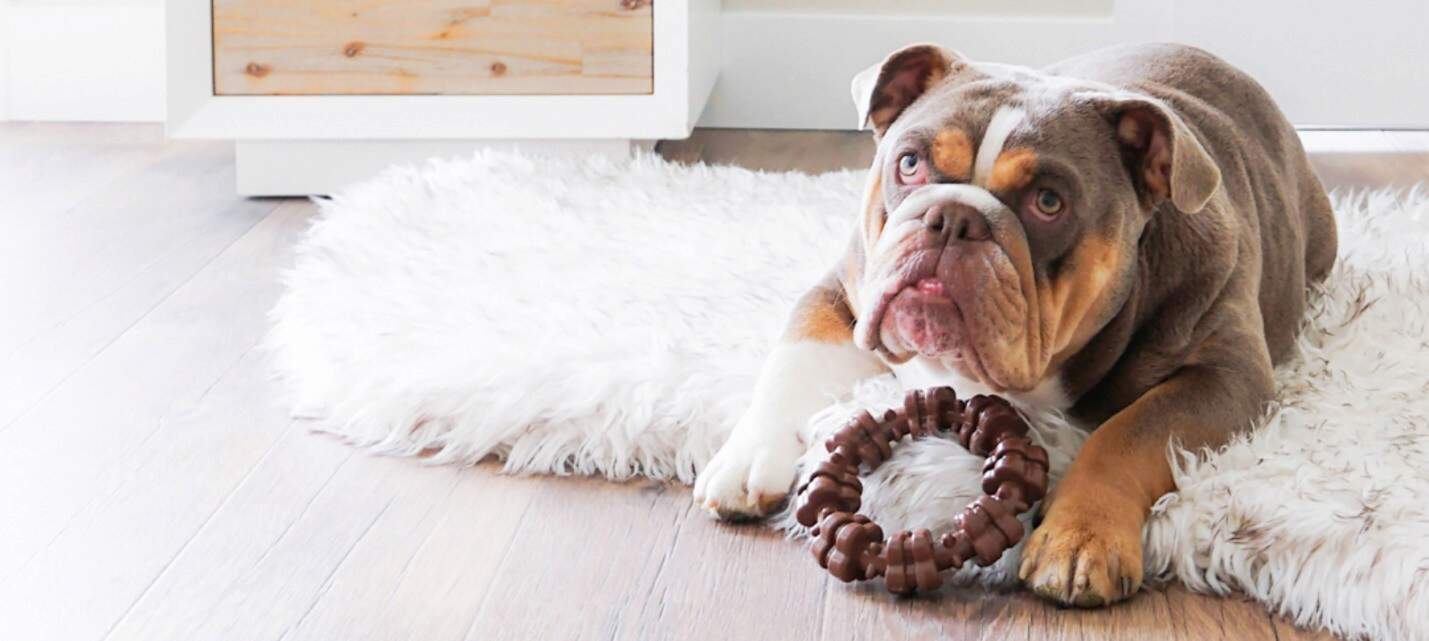
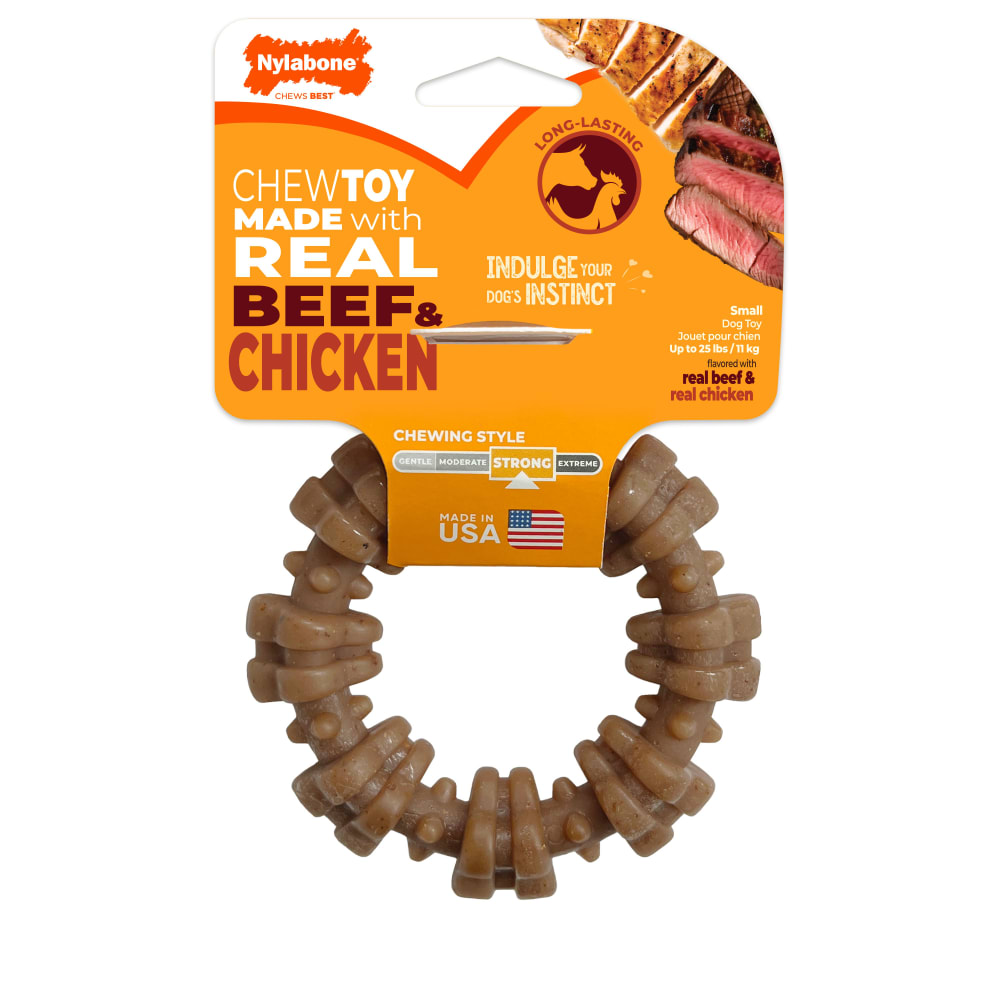
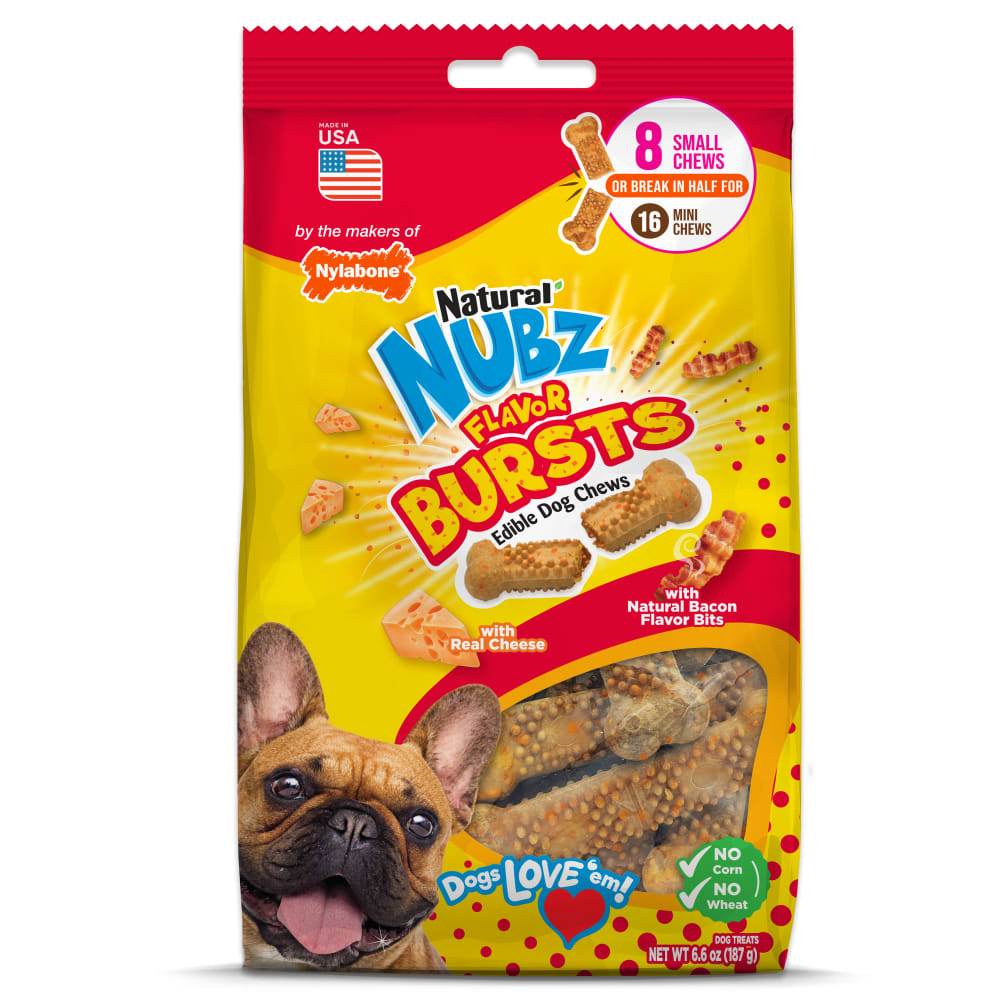
Though you can't (and shouldn’t want to!) completely stop dog chewing, you can encourage positive chewing habits by offering them chew toys, long-lasting chew treats, and natural chews.
Look for chew toys made in appealing textures, tasty flavors, and cute shapes to ensure the proper chewing outlets are ultra-enticing and fun. Dogs who are especially motivated by flavor are sure to love chew toys made with real chicken, bison, venison, bacon, or beef! Indulging their instincts with the real tastes they crave can make positive chewing habits even more rewarding.
Be sure to choose a chew toy that matches your dog’s chewing style. Offering them the appropriate size and strength chew toy will start them on the right path! For their safety, always supervise your best friend when they are enjoying a chew toy.
When it comes to treat time, why not offer your chew-loving dog a longer-lasting reward? Find chew treats that are highly digestible and made with limited ingredients for wholesome enjoyment. You can even treat your dog to irresistible flavors, including bacon & cheese, chicken, peanut butter, and more!
To reinforce positive dog chewing habits, only provide your dog with pet-specific products intended for chewing, whether that’s a chew toy, chew treat, or long-lasting natural chew such as a bully stick. While you may think sacrificing your old pair of sneakers is a thrifty chew, it will only confuse your dog; after all, how can they decipher between shoes that are acceptable to chew and those that are off limits?
Turn Destructive Chewing into Positive Chewing
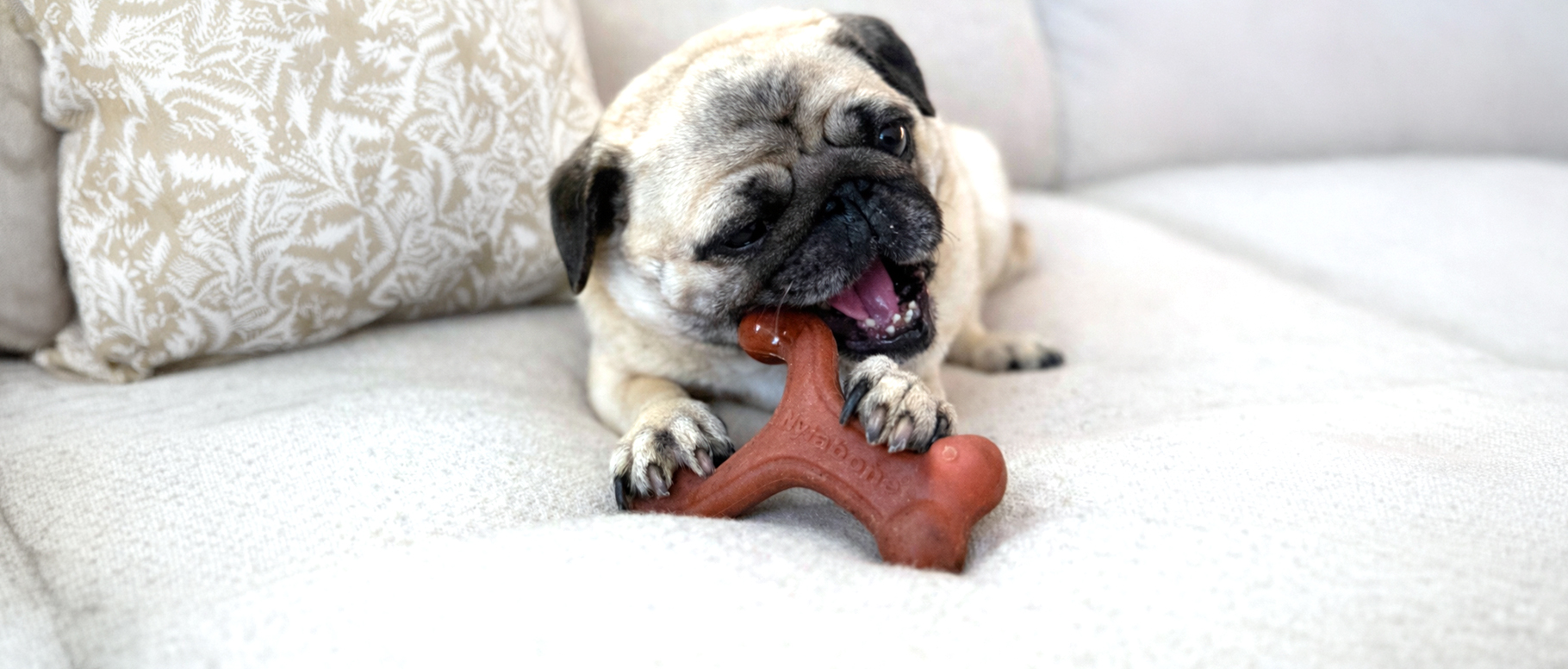
Remember, it's okay if your dog slips up occasionally and chews something they shouldn't. Kindly prompt your dog to release the off-limits item and exchange it with a chew toy. When your dog accepts the chew toy, praise them. Don't yell at your dog for destructive chewing; your furry friend won't associate the punishment with the unwanted behavior—even if it is only a short time after the fact, according to the ASPCA.
Ultimately, the best method for how to stop a dog from chewing everything is to teach them healthy chewing habits instead. You can turn a negative situation into a positive one with patience, dedication, and lots of chew toys!
FAQs About How to Stop Dog Chewing
How do you stop a dog from chewing furniture?
If your dog is chewing furniture, redirect their attention with a chew toy to encourage positive chewing habits. You can also spray your furniture with a bitter-tasting deterrent or cover the material with a couch cover or furniture protector.
How do you stop a dog from chewing carpets and baseboards?
Deter your furry friend from chewing up carpets and baseboards by redirecting them with chew toys. Spend time playing with them for exercise and mental stimulation to avoid boredom-based chewing. If your dog is chewing when you leave the house, consider crate training your dog.
How do you stop a dog from chewing on wood?
Some dogs love playing with sticks and eating wood, but ingesting wood can be dangerous for them. Keep an eye on your pooch when they’re outside to make sure that they don’t chew something they shouldn’t. Play with other toys while you’re outside to distract them and work off excess energy. If your dog really loves sticks, offer them a chew toy made with real wood that’s safer for them to chew on!
How to stop a dog from chewing on electrical cords and wires?
Chewing cords and wires can be hazardous for your dog, so be sure to puppy-proof your home! Ensure cords are inaccessible to them with cord protectors or covers, or run the cords along out-of-reach areas, like along the ceiling or behind furniture. Spend time training your dog with healthy chewing habits to avoid dangerous behavior.
FOLLOW US!


