

Mental Stimulation for Dogs: How to Engage Your Dog’s Mind
Key Takeaways:
- Mental stimulation for dogs is just as important as physical exercise. In fact, keeping your dog’s brain engaged helps ease boredom and supports their overall well-being.
- Enrichment toys, exploration walks, new tricks, and brain games are all great ways to stimulate your dog’s mind.
- Keeping 2–3 chew toys in their active rotation, including at least one problem-solving toy, can help keep your dog interested and engaged.
- Regular mental stimulation makes your dog less likely to engage in barking, digging, and other problem behaviors.
Just like dogs need exercise to stay physically fit and burn extra energy, they need brain exercise for cognitive development! Dogs have a lot going on in their minds. By providing them with mentally stimulating dog toys and dog enrichment activities, you help activate different parts of their brain and keep them engaged and happy.
Why is Mental Stimulation for Dogs Important?
Brain training for dogs helps keep their minds sharp and active. Dogs are smart, and participating in regular enrichment play can strengthen their cognitive development. It can also improve their mental health by providing new and diverse ways for them to interact with the world around them. Enrichment activities for senior dogs are especially important for keeping their minds agile and engaged.
Without opportunities for mental stimulation, dogs can grow bored and restless—just like humans! Bored dogs will likely seek out their own sources of entertainment, which could result in unwanted destructive behavior.
What Are the Benefits of Dog Enrichment Toys and Activities?
Dedicating time to dog enrichment has huge benefits for your furry friend’s well-being. Mentally stimulated dogs are less bored, stressed, and anxious. As a result, they are less likely to engage in behaviors like chewing, digging, or excessive barking.
In addition, participating in dog enrichment activities together improves your bond. You’ll strengthen your communication and build trust as you help your dog learn and grow.
Can Mental Stimulation Reduce Boredom-Related Barking?
It can help! Boredom is among the most common reasons why dogs bark so much. When dogs don’t have enough to think about, they’ll sometimes find their own excitement, whether it’s barking at passersby, sounds, or seemingly nothing at all.
Mentally engaging activities like puzzle toys, long-lasting chews, and stuffable chew toys can tire out your dog’s brain in ways that physical exercise alone may not. This is a great way to help them settle down—especially if they’re a reactive dog. Giving your dog 15 to 20 minutes of focused mental stimulation before a “noisy time” like mail delivery may help reduce or even eliminate reactive barking.
Need help finding the right toys for your furry friend? Check out this list of the best types of toys for bored dogs.
Does Mental Stimulation Help with Anxiousness?
It absolutely can. Mental stimulation and relieving stress tend to go paw in paw. Engaging your dog’s brain can help redirect nervous energy that might otherwise lead to pacing, whining, or barking.
Scent-based enrichment like hiding treats in stuffable chew toys can be especially helpful for anxious dogs. In a 2025 survey of 566 professional dog trainers, most reported believing scent-based activities helped ease general anxiety, and many described using scent work specifically to help calm dogs.
Build a regular mental stimulation routine to help your dog feel more secure. This will be especially helpful at times you suspect your dog will feel anxious, like when you’re about to leave for the day.
How to Stimulate Your Dog’s Mind
Whether your dog prefers taking on problem-solving activities or learning new tricks, there are plenty of ways to get your dog’s brain going.

Incorporate Dog Enrichment Toys
Certain types of dog toys can be more engaging than others. Different toys offer unique elements to challenge your dog in new ways. When looking for the best mentally stimulating dog toys, try ones with these features:
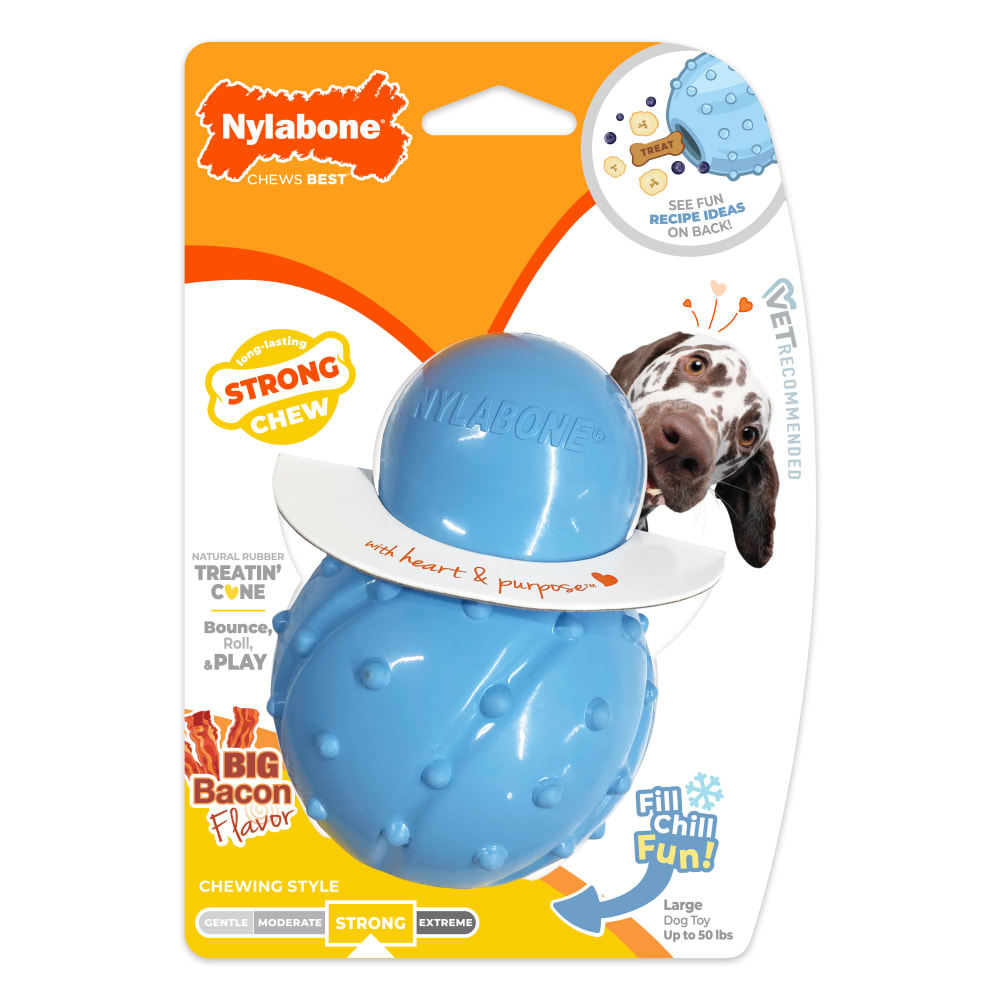
Hidden Delights — Toys that you can stuff with treats or fill with spreads allow dogs to use problem-solving skills to figure out how to access their goodies. Solving the puzzle provides instant gratification!
Interesting Textures — Nubs and ridges on chew toys stimulate their senses and pique their interests, making them excellent enrichment toys for dogs.
Erratic Movement — Asymmetrical toys that roll in unpredictable ways keep your dog on their toes—and challenge their brain.
Shape-Shifting Fun — Chew toys that can twist and change into new shapes provide the excitement and novelty of a new chewing experience each time.
How Many Toys Should You Give Your Dog for Mental Stimulation?
Rotating through a variety of chew toys is a simple way to keep your dog’s mind engaged. Here’s how to build a collection that supports their mental stimulation:
- Keep at Least 2–3 Toys in Active Rotation – This offers enough variety to help prevent boredom and keep the chewing fun fresh.
- Include a Problem-Solving Toy – Options like a treat-dispensing chew toy will require a bit more effort and keep your dog engaged longer.
- Try Something New – If your dog is spending noticeably less time with a toy than usual, that can be a sign they’re ready for something new in their rotation.

Participate in Dog Enrichment Activities
Outside of playtime, you can provide mental stimulation for dogs with simple activities to expand their minds.
Go on an Exploration Walk — Using their sense of smell is an important way for dogs to experience the world around them, and scent work is a great way to challenge their nose—and brain. Head out on an exploration walk to a new area to expose your dog to new, different scents.
Change Up Their Schedule — Dogs are routine-oriented, so doing things in a different order than usual or adding a new activity will engage their brain as they try to figure out what’s happening and what will happen next.
Teach Them a New Trick — Does your dog love to learn new tricks? Try some advanced dog training that builds on the basic commands of “sit” and “stay,” giving your dog more to think about!
Play Mentally Stimulating Games
Challenge your dog’s brain with a game that requires them to think and problem-solve!
Hidden Treasures — Fill some secret treat compartments inside of a puzzle toy and encourage your dog to sniff them out.
Where’s The Treat? — Use a few plastic cups and hide a chew treat under one. Challenge your dog to choose the correct cup and find the prize.
Hide-and-Seek — Hide a treat or a toy—or even yourself—somewhere in the room and task your dog with finding their hidden treasure. Be sure to reward them if they succeed!
🐶 Related: 5 Brain Games for Dogs You Need to Try
Dog Breeds That Need the Most Mental Stimulation
If you have one of the smartest dog breeds at home, taking the time for dog enrichment and brain training will help make your pup happier and healthier.
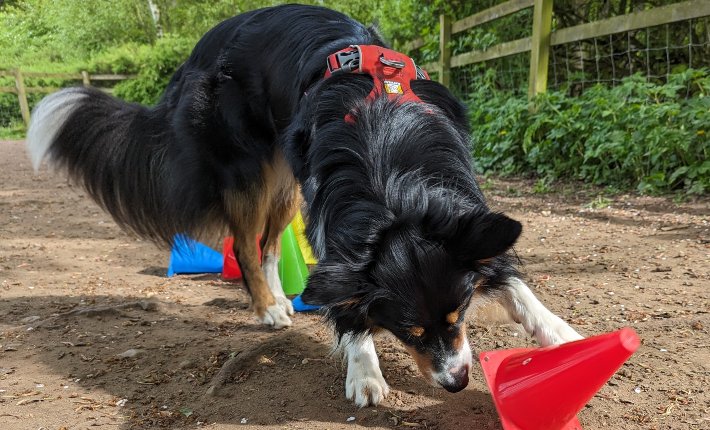
Dog breeds that excel at problem-solving will love to play with puzzle toys and other dog enrichment toys that activate this skill. These breeds include Border Collies, Poodles, Shetland Sheepdogs, and Papillons.
Other breeds, like German Shepherds, Golden Retrievers, and Doberman Pinschers, thrive on agility training and learning new tricks. These physical challenges also work their brains, satisfying them in two ways at once.
Learn more about your dog breed’s needs in our breed profiles!
Sniff Out Dog Enrichment Fun
Mental stimulation for dogs is a vital part of keeping them happy and healthy. Try different dog enrichment toys and activities with your pup to learn what they benefit from the most. Daily brain training not only helps alleviate dog boredom and encourages their cognitive development, but is also a great way to bond with your dog!
Chewing is a great way to keep your furry friend’s mind (and mouth!) busy. Explore the longest-lasting dog chews of all flavors and sizes.
FAQs About Mental Stimulation for Dogs
How many chew toys should I rotate to keep my dog interested?
For mental stimulation, at least 2–3 toys in your dog’s active rotation is a good general rule. Include at least one problem-solving toy like a treat-dispensing toy or stuffable chew toy. If you notice your dog losing interest in their current rotation, try adding a new toy.
Can chew toys help reduce boredom-related barking?
They can! Barking is often a sign of an under-stimulated mind rather than just pent-up energy. Puzzle toys and stuffable treat toys can help tire out your dog’s brain, which may lead to calmer downtime and less reactive barking during typically noisy periods.
Do chew toys actually help with stress?
They can help. Chew toys can redirect nervous energy that might otherwise show up as pacing, whining, or barking. Scent-based options, like stuffable chew toys with hidden treats, can be especially helpful for easing anxious behaviors.
How often should I offer my dog mental stimulation?
Aim for some mental stimulation every day, even if it’s just 15 to 20 minutes. Consistency matters more than duration; short, regular sessions tend to promote the best behaviors over time.
What are signs my dog needs more mental stimulation?
Watch for restlessness, excessive barking, destructive chewing, or loss of interest in their usual toys. These behaviors can often signal an under-stimulated mind rather than a lack of physical exercise.


Suggested Products
FOLLOW US!


