

Why Are Dogs’ Noses Wet? 4 Common Reasons
Picture it: it’s early morning, you’re getting in those last few hours of sleep...and then you feel your dog’s wet nose right against your face, alerting you it’s time to wake up! We love our dogs (and their wet noses), but have you ever thought about why dogs have wet noses? Get to know the reasons behind this common dog trait.
So, Why Are Dogs’ Noses Wet?
If you’ve ever wondered why your dog’s nose is nearly always wet, you’re not alone! Here are some common reasons for your dog’s wet snout.
Reason #1: Helps Them Smell
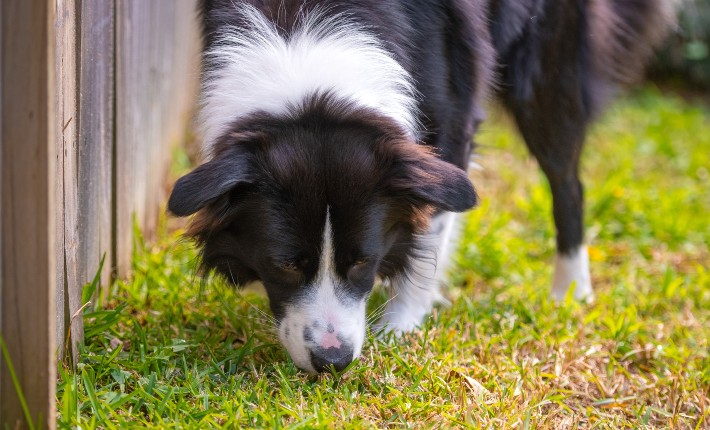
Dogs rely on their sense of smell more than any of their other senses to help discover the world around them. Depending on their breed, a dog can have 125 million to 300 million scent receptors on their nose. Dog noses produce a specific type of mucus to keep their noses wet. This isn’t the same type of mucus humans experience when they’re sick: this is the kind that helps your furry friend absorb all kinds of scents.
Reason #2: Keeps Them Cool
Humans rely on sweat to help regulate their inner temperature, but that’s not the case for our furry friends. While dogs do have sweat glands, they are not as effective as our own. A wet nose is the tool that helps keep your dog cool. As moisture evaporates from the nose, it provides a cooling effect. This helps regulate your dog’s body temperature during those warmer days or longer walks.
Reason #3: They’re Exposed to the Environment
Dogs are natural explorers, and if you have one of your own, you know that they like to stick their nose wherever they can! From piles of leaves to water puddles, there are many things in nature that can explain why your dog’s nose is wet. It is always important to keep an eye on your dog when they are outside so they do not get into anything they shouldn't.
Reason #4: They’re Keeping Clean
If your dog has just groomed themselves or taken a bath, you might find their nose wet. Licking their nose keeps it clean but also makes sure nasal passages are clear so they can breathe smoothly and easily.
🐶 RELATED: Incredible Facts About Your Dog's Sense of Smell
Why Do Dogs’ Noses Get Dry?
Fact or fiction: a dog who has a dry nose is not healthy. Well...the answer depends on a few factors. Here are some common reasons why your dog may have a dry nose:
Age: If you have a senior dog, they may experience a decline in their production of mucus that helps keep their nose wet.
Energy Level: If your dog has been sleeping or just woke up from a nap, their nose may be dry. When they wake up and get moving, their nose is sure to moisten up.
Dehydration: If it has been a while since your dog drank water, their nose may be dry. Are they panting, too? This could be another sign of dehydration. Whether dehydration is the result of a long walk or lack of water, ensure they always have enough water to stay hydrated.
Environmental Factors: As with people, dogs’ noses may dry out if the air around them is dry! If you catch your dog sneezing, allergies may also be an external factor for your furry friend. Sun exposure during long walks or playtime in the backyard can also cause dryness.

When Is Dry Nose a Cause for Concern?
If you notice any of the following symptoms in your dog, a trip to the vet is recommended. Always speak to a professional for the best course of action.
Continued Dryness: If your dog’s dry nose is ongoing or if you find that their nose is dry more often than wet, this might require further investigation.
Bleeding or Scabs: If your dog’s nose is so dry that it is scabbing or bleeding, this could be a sign of something more serious. If your dog is experiencing these symptoms, make sure to schedule a vet visit.
Accompanied by Other Symptoms: If your dog’s dry nose is accompanied by other symptoms such as loss of appetite, vomiting, diarrhea, or changes in behavior like stress or anxiety, it could be a sign of a larger issue.

Digging Deeper...
Now that you know the reasons why dogs’ noses are wet, you can best recognize what is considered common and what signs may be cause for concern. Always speak with your vet if you feel your dog may be experiencing pain or discomfort.
Looking for answers to other baffling dog traits and behaviors? Explore these topics:


FOLLOW US!


